Compare Local Contractors for Reliable Junk Removal Services
Compare local contractors for junk removal to define scope, verify experience, and set clear expectations, ensuring a smooth and reliable service experience.
Junk removal services provided by contractors typically cover the clearing and hauling of unwanted items from residential or commercial properties. This can include disposing of construction debris, old furniture, appliances, yard waste, and other miscellaneous clutter. Many service providers also offer cleanup of larger items or bulk waste, ensuring that property owners can efficiently clear space without the need for multiple trips to disposal sites. Understanding the scope of work helps property owners communicate their specific needs and ensures that the contractor can prepare appropriately for the job.
Clearly defining the scope of junk removal work is essential to avoid misunderstandings and ensure the project meets expectations. Property owners should specify what items need to be removed, the size and quantity of debris, and any particular handling requirements. Writing these details down in a scope of work document can help establish a shared understanding with the contractor and serve as a reference throughout the project. This clarity minimizes surprises and ensures that both parties are aligned on the work to be completed, making the process smoother and more predictable.
When comparing local contractors for junk removal, property owners should consider factors such as experience with similar projects, reputation within the community, and the range of services offered. Verifying the background of service providers can involve reviewing their previous work, seeking recommendations, or checking references. It’s also helpful to compare how contractors communicate their scope of work and whether they provide written estimates or agreements. By evaluating these aspects, property owners can select service providers who are well-equipped to handle their specific junk removal needs and who prioritize clear, professional communication.
Compare local contractors by outlining your priorities, verifying experience, and setting clear expectations in writing.
- Compare Contractors - review credentials and experience to select the most suitable service providers for junk removal.
- Define Scope Clearly - specify the amount and type of junk to ensure accurate expectations and service delivery.
- Verify Experience - check for relevant experience and references to assess the reliability of local contractors.
- Set Expectations in Writing - document the scope, responsibilities, and terms to prevent misunderstandings during the project.
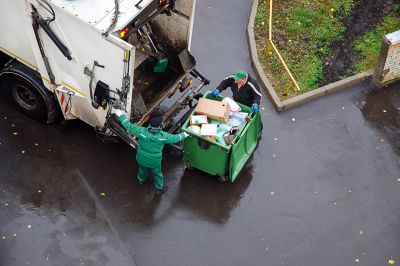
Clearly describe your junk removal project to help local contractors understand the scope and compare their services effectively.
- Verify experience and reputation of local contractors for junk removal services. Consider reviews or references to assess their track record with similar projects.
- Ensure scope of work is clearly defined and documented in writing before the job begins. Clarify what items will be removed and what services are included or excluded.
- Compare multiple service providers to understand the range of services offered and their approach to junk removal. Look for transparency in their service descriptions and processes.
- Check that contractors have appropriate equipment and resources to handle the size and type of junk to be removed. Confirm they have the capacity to manage your specific cleanup needs efficiently.
- Discuss and agree upon cleanup procedures and disposal methods to ensure expectations are aligned. Confirm how debris will be handled and where it will be taken.
- Review and verify any guarantees or warranties related to the removal process or service quality. Ensure there are clear terms regarding what is covered and how issues will be addressed.
Compare local contractors to clarify scope, verify experience, and set clear expectations in writing.
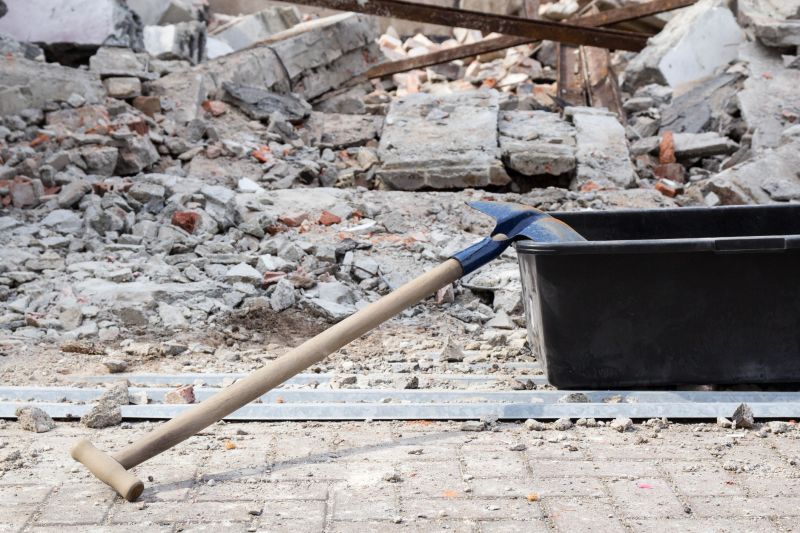

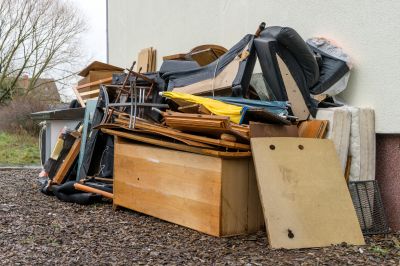

This scope builder helps compare junk removal contractors by defining clear work expectations and verifying experience without referencing prices.
- Scope Definition - clearly specify the types of items to be removed and the extent of the cleanup needed.
- Experience Verification - identify service providers with a proven track record in junk removal projects similar in scope.
- Service Offerings - determine the range of services provided, including debris hauling, disposal, and cleanup.
- Written Agreements - ensure scope and responsibilities are documented in a formal contract or written communication.
- Local Contractor Matching - compare available service providers based on expertise and capacity to handle the specific removal requirements.
When comparing contractors for junk removal services, it’s important to consider their experience with similar projects. Service providers that have handled a range of junk removal jobs-whether residential, commercial, or specialized cleanouts-are more likely to understand the unique requirements of each type of project. Asking about the types of jobs they have completed can provide insight into their familiarity with different materials, space constraints, and logistical challenges. A contractor’s background in comparable projects can help ensure they are equipped to handle the scope of the work efficiently and effectively.
A clear, written scope of work is essential when evaluating potential service providers. This document should outline the specific tasks to be performed, the types of items to be removed, and any areas or items that are excluded from the job. Having a detailed scope helps prevent misunderstandings and sets clear expectations for what the service will entail. It’s advisable to review the scope carefully and ensure it aligns with the project’s needs before moving forward. Clear documentation also provides a reference point should questions or issues arise during or after the job.
Verification basics are key to establishing trust and confidence in a contractor’s capabilities. While formal licensing and certification are not always required, it’s useful to verify that the service provider has a solid reputation and a history of completing projects reliably. This can involve checking references, reading reviews, or confirming their experience with similar types of junk removal. Additionally, understanding how they handle disposal and whether they follow proper procedures can be part of the verification process. Gathering this information helps ensure the chosen contractor is capable of delivering the expected service.
Evaluating options without focusing on prices involves assessing the quality of the service providers’ offerings and their approach to the project. Consider how well each contractor’s experience, scope of work, and communication align with the project’s needs. It’s helpful to ask for detailed descriptions of how they plan to approach the job and to compare how thoroughly they address potential challenges. By focusing on the clarity of their proposal, their understanding of the work, and their ability to meet project requirements, homeowners can make informed decisions that prioritize quality and reliability over cost alone.
Ask contractors to provide written descriptions of the scope of work to ensure clear and consistent expectations.
- Experience and References - What experience do the local contractors have with junk removal projects similar to yours?
- Scope of Services - What specific services are included in their junk removal offerings and what items are excluded?
- Scope of Work Definition - How will the scope of the project be defined and documented in writing before work begins?
- Comparison of Contractors - How do the local service providers differ in their approach to handling different types of junk and cleanup?
- Work Process and Expectations - What is the process for managing the work, and how are expectations clarified and confirmed in writing?
How can I compare different contractors for junk removal? To compare contractors, review their service offerings, verify their experience in handling similar jobs, and check for clear communication about scope and expectations. Gathering details in writing helps ensure transparency and aligns services with specific needs.
What should I define in the scope of my junk removal project? Clearly outline what items need to be removed, the area of access, and any special considerations. Providing detailed information helps contractors understand the scope and provide accurate service descriptions.
How can I verify the experience of a junk removal contractor? Ask for references or examples of past work, and review any available credentials or customer feedback. Confirming experience ensures the contractor is capable of handling the specific requirements of the project.
Why is it important to have the scope of work in writing? Having the scope documented in writing sets clear expectations, minimizes misunderstandings, and provides a reference point for the project's agreed-upon services and responsibilities.
What questions should I ask a contractor before hiring for junk removal? Inquire about their process, experience with similar projects, what items they handle, and how they manage access or disposal. Clear questions help evaluate their suitability for the job.
How can I ensure the contractor understands my specific junk removal needs? Communicate your requirements clearly, provide detailed descriptions of items and areas, and confirm that these details are documented in the project agreement or scope of work.
This page has highlighted key steps to help find reliable contractors for junk removal services. Visitors learned how to compare local service providers by clarifying the scope of work, verifying their experience, and putting all expectations in writing. These practices can support making informed decisions when selecting a contractor to handle the job.
Using the quote form allows visitors to easily connect with local contractors who can meet their specific needs. It’s a practical way to explore options and gather information on available service providers in the area, empowering an informed comparison process.